
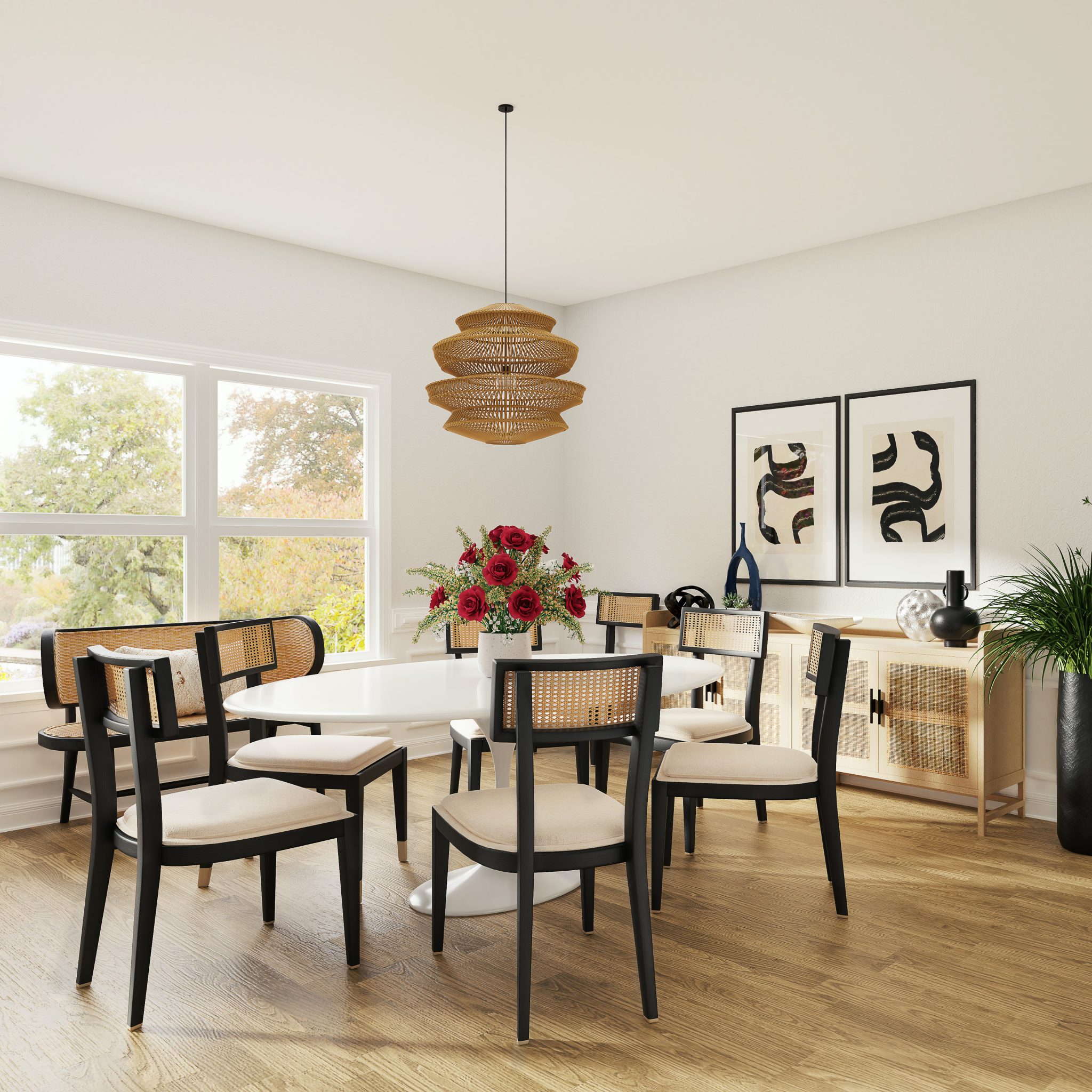
Feng Shui Interior Design Principles
Author - Abdul Waheed Siddiqui
Feng Shui is an ancient Chinese philosophy that emphasizes the harmony and balance between humans and the environment. In recent years, it has become a popular interior design principle that helps create a positive and peaceful living environment. Feng Shui interior design principles can be applied to any home, regardless of its size or style, to create a welcoming and calming space. In this blog post, we’ll explore some of the essential Feng Shui principles for interior design.
- Clear the Clutter
The first step in Feng Shui interior design is to declutter your space. Clutter creates stagnant energy and can block the flow of positive energy (or chi). Start by removing items that you no longer need or use, then organize the remaining items in a thoughtful and intentional way.
- Create a Welcoming Entryway
In Feng Shui, the entryway is considered the mouth of chi, the energy that flows through your home. To create a welcoming and inviting entryway, add a doormat, plants, and lighting. Avoid placing any mirrors or sharp objects directly facing the entrance as they can repel positive energy.
- Use Natural Elements
Incorporating natural elements into your home decor can help bring balance and harmony to your space. Use plants, flowers, and natural materials like wood and stone to create a calming and peaceful environment. Additionally, natural light is an essential element in Feng Shui, so try to maximize natural light by using sheer curtains or adding mirrors to reflect light.
- Optimize Furniture Placement
Furniture placement is critical in Feng Shui interior design. It’s essential to create a balance between open space and functional furniture placement. Arrange your furniture in a way that promotes conversation and comfort, with a clear pathway for energy to flow.
- Choose Colors Wisely
Color is an essential element of Feng Shui interior design. Each color has a specific energy and can impact your mood and well-being. Opt for neutral colors like beige or light gray to create a calm and peaceful environment. Use pops of color to add interest and energy to your space, but be careful not to overwhelm the space.
- Incorporate Feng Shui Symbols
Incorporating Feng Shui symbols into your home can bring positive energy and balance. Some common symbols include the dragon turtle, lucky bamboo, and crystals. However, it’s essential to research the symbols’ meanings and place them in appropriate areas to maximize their effectiveness.
In conclusion, Feng Shui principles can help create a peaceful and harmonious living space. By incorporating natural elements, optimizing furniture placement, and choosing colors wisely, you can create a welcoming and calming environment. Remember that Feng Shui is a personal journey, and it’s essential to tailor the principles to your unique needs and style.